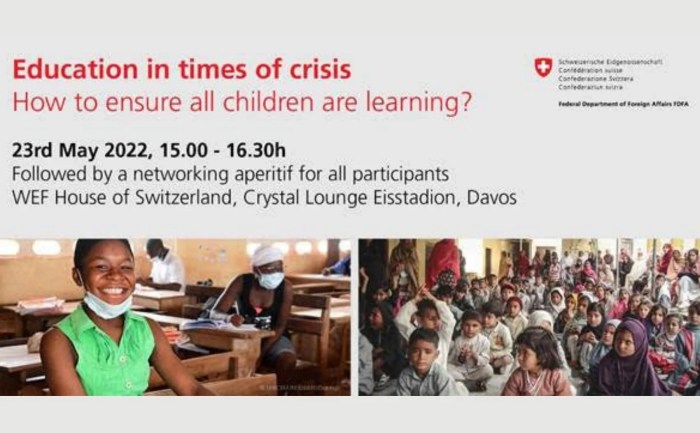
Protecting education during crises is a vital concern that resonates across the globe, particularly in times of turmoil. As communities face challenges from natural disasters, armed conflicts, and pandemics, education serves not just as a beacon of hope but as a pillar for social stability and psychological resilience. This narrative explores how maintaining educational programs during crises can mitigate the adverse effects on society while highlighting the innovative strategies employed by various nations to safeguard this fundamental right amid chaos.
Throughout this discussion, we will delve into the strategies for protecting education, the challenges faced, and the importance of collaboration among various stakeholders. By examining successful case studies and emerging trends, we aim to present a comprehensive understanding of how to preserve educational opportunities even in the direst circumstances.
Importance of Education in Crisis Situations
Education is often overlooked during crises, yet it plays a crucial role in maintaining social stability. In times of conflict, natural disasters, or other emergencies, educational institutions serve as safe havens and help foster a sense of normalcy. They provide not just academic knowledge but also a structured environment that can support community cohesion and resilience.In addition to stability, education significantly contributes to the psychological well-being of affected communities.
Schools can be a source of hope and motivation, allowing children and families to maintain a routine and set goals during chaotic times. For example, countries such as Rwanda and Sierra Leone have successfully implemented educational programs even amidst crises, helping rebuild their societies and instill a sense of purpose among the youth.
Strategies for Protecting Education During Emergencies
Ensuring access to education during emergencies requires innovative and effective strategies. Governments and organizations can adopt several methods to safeguard educational continuity.
- Develop emergency education plans that are flexible and can be activated quickly during crises.
- Implement mobile classrooms that can be deployed in disaster-hit areas, ensuring that students have access to learning materials.
- Utilize technology for remote learning, enabling students in conflict zones to continue their education from home.
Various organizations are actively involved in educational crisis response, including UNICEF, Save the Children, and the Global Partnership for Education. These organizations work tirelessly to provide resources, training, and support to ensure that education remains a priority during emergencies.
Challenges to Education in Crisis Situations
Despite the importance of education, numerous barriers hinder access during crises. Armed conflicts and pandemics can disrupt the educational landscape, making it difficult for students to attend school.Factors such as insecurity, displacement, and the destruction of educational infrastructure can severely limit access to learning. Financial constraints also pose a significant challenge, as educational institutions in crisis-affected areas may struggle to secure funding and resources.
The long-term effects of interrupted education can be detrimental, leading to decreased literacy rates and limiting future opportunities for children and communities.
Education Preservation Techniques
Preserving educational infrastructure during crises is essential for maintaining continuity in learning. Several initiatives focus on ensuring that schools remain operational even in difficult circumstances.
- Establish emergency funds dedicated to repairing and maintaining school facilities that have been damaged during crises.
- Use technology to create digital resources and online platforms that facilitate learning from anywhere.
- Encourage community involvement in safeguarding schools, with local volunteers helping to protect and maintain educational spaces during emergencies.
The use of technology plays a critical role in maintaining educational continuity. Learning management systems and online resources can provide students with access to educational materials, regardless of their physical location.
Partnerships and Collaborations
Collaboration between governments, NGOs, and local communities is key in protecting education during crises. Effective partnerships can lead to more robust and comprehensive educational responses.Case studies show that successful collaborations, such as those between UNESCO and local educational authorities, have led to the rapid restoration of educational programs in disaster-affected areas. Best practices for fostering collaboration include:
- Establishing clear communication channels among stakeholders.
- Creating joint initiatives that leverage the strengths of different partners.
- Ensuring inclusivity by involving local communities in decision-making processes.
The Concept of “Education Knock”
The term “Education Knock” refers to the proactive approaches taken to address educational needs during crises. This concept emphasizes the importance of timely interventions in educational planning and response.”Education Knock” can significantly guide policy-making, ensuring that educational resilience is prioritized in crisis management. Real-world applications of this concept can be seen in countries that have integrated education into their emergency response frameworks, allowing for a more cohesive and effective approach to maintaining educational services.
Future Directions for Educational Crisis Management
Emerging trends suggest that the landscape of crisis response affecting education will continue to evolve. It is essential for educational institutions and policymakers to remain adaptable and proactive.International law is increasingly recognized as a vital tool in protecting education during conflicts. The potential for legal frameworks to safeguard educational rights can lead to better protected learning environments in crisis situations.
A vision for the future of education in crises includes an emphasis on innovative solutions, strong partnerships, and a commitment to prioritizing educational continuity regardless of circumstances.
Conclusion
In conclusion, protecting education during crises is not merely an academic concern but a crucial component of humanitarian efforts that shapes the future of affected communities. As we have seen, the resilience of educational systems in the face of adversity hinges on innovative solutions, community involvement, and strategic partnerships. Moving forward, it is imperative to adopt these insights and foster collaboration to ensure that education remains accessible and robust, empowering generations to come even in the toughest times.
FAQ Guide
Why is education important during crises?
Education provides stability, psychological support, and a sense of normalcy for children and communities affected by crises.
How can remote learning be implemented in conflict zones?
Innovative technology solutions and adaptable curriculum can facilitate remote learning, ensuring continuity in education despite physical barriers.
What role do NGOs play in protecting education during emergencies?
NGOs often provide resources, training, and support for local communities to establish and maintain educational programs during crises.
What are common barriers to education access in crisis situations?
Barriers include safety concerns, lack of infrastructure, financial constraints, and displacement of families.
How can communities get involved in safeguarding schools during emergencies?
Communities can volunteer, raise awareness, and collaborate with local authorities and organizations to protect educational institutions.