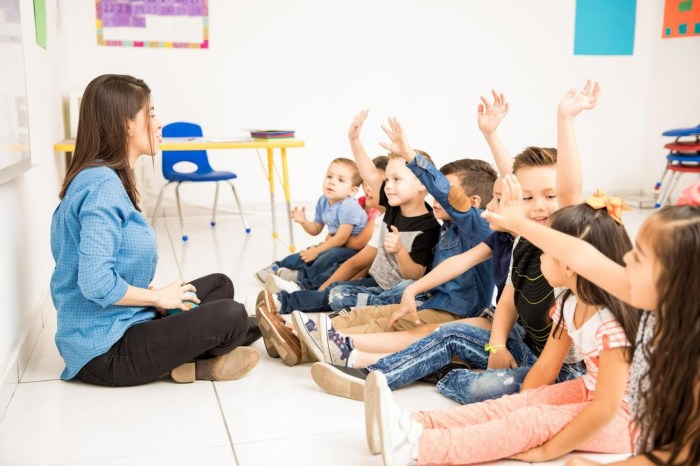
Preserve traditional teaching methods, a phrase that resonates deeply within the education community, invites us to rediscover the time-tested practices that have shaped generations of learners. In an age dominated by technological advancements and digital platforms, the essence of classic teaching techniques still holds immense value. Traditional methods, rooted in discipline and respect, create a structured environment where students can thrive academically and socially.
These proven approaches not only foster effective learning but also encourage deeper connections between educators and students. As we explore the significance of preserving these methods, we recognize the critical balance between embracing innovation and honoring traditions that have successfully guided education for decades.
Importance of Traditional Teaching Methods
In the rapidly evolving landscape of education, the preservation of traditional teaching methods remains crucial. These methods not only provide a strong foundation for learning but also cultivate essential values such as discipline and respect among students. Traditional approaches, often characterized by structured lessons and direct instruction, have shown to be effective in maintaining a conducive learning environment.Traditional teaching methods play a vital role in instilling a sense of responsibility and respect in the classroom.
By emphasizing the importance of following rules and procedures, educators can create a disciplined atmosphere that encourages students to engage actively in their learning. For instance, techniques such as direct instruction, Socratic questioning, and oral presentations facilitate knowledge retention and critical thinking. These methods not only enhance student engagement but also promote a deeper understanding of the subject matter.
Comparison of Traditional and Modern Teaching Methods
When comparing traditional and modern teaching methods, it’s essential to evaluate their effectiveness in fostering student learning. Traditional methods often focus on direct instruction and memorization, while modern approaches leverage technology to create interactive learning experiences.Strengths of traditional methods include:
- Structured learning environments that help students focus.
- Development of social skills through face-to-face interaction.
- Consistency in teaching that allows for clear expectations.
However, they also have weaknesses, such as:
- Lack of engagement with digital-native students.
- Limited access to diverse learning resources.
In contrast, modern teaching methods can enhance engagement but may sometimes lead to distractions. Case studies have shown that classrooms employing traditional methods have experienced higher student performance in standardized tests, highlighting the effectiveness of these approaches in achieving educational goals.
Strategies for Integrating Traditional Methods into Modern Education
To effectively integrate traditional teaching methods with modern practices, a well-designed curriculum is essential. This curriculum should incorporate both direct instruction and technology-driven activities, providing a balanced approach to education.Training educators in traditional practices can involve workshops that focus on the importance of classroom management and effective lesson delivery. For example, schools can set up mentorship programs where experienced teachers share their techniques with newer educators.
Successful schools that have integrated traditional methods include those that combine lectures with hands-on activities, ensuring that students benefit from both approaches.
Challenges in Preserving Traditional Teaching Methods
The challenges in maintaining traditional teaching methods are multifaceted. Societal shifts towards technology and rapid advancements in educational tools put pressure on teachers to adopt modern methods, often at the expense of traditional practices.Technological advancements can overshadow the time-tested techniques that have proven effective over decades. Potential solutions to these challenges include advocating for a balanced approach in teacher training programs, emphasizing the relevance of traditional methods alongside modern innovations.
Schools can also foster a culture that values both teaching styles, creating an environment where both can thrive.
The Role of Parents and Community in Preserving Traditional Methods
Parents play a pivotal role in supporting traditional teaching methods at home. By encouraging their children to engage in structured study routines and valuing respect towards educators, parents can reinforce the discipline learned at school.Communities can contribute significantly by promoting educational programs that respect traditional practices. For example, local organizations can host workshops or seminars that celebrate the importance of traditional teaching methods, engaging families in the educational process.
Successful community programs often involve collaboration between schools and local cultural institutions, promoting a unified approach to education that honors tradition.
Education Preserve vs Education Knock
The concept of “Education Preserve” aligns closely with the principles of traditional teaching methods, emphasizing the importance of maintaining established educational practices. This approach values the foundational knowledge and skills students acquire through disciplined learning.Conversely, “Education Knock” represents a shift towards a more experimental and less structured educational framework. While both concepts have their merits, the implications of “Education Knock” could lead to challenges in student learning outcomes, such as gaps in foundational knowledge.
A balanced approach that respects the principles of both “Education Preserve” and “Education Knock” can create a comprehensive educational experience that meets the needs of all learners.
Ultimate Conclusion
In conclusion, the conversation around preserving traditional teaching methods highlights their vital role in today’s educational landscape. While modern approaches offer exciting possibilities, the foundational values embedded in traditional practices remind us of the importance of respect, discipline, and meaningful connections in the classroom. By integrating both methodologies, we can create a richer learning experience that honors the past while preparing for the future.
FAQ Compilation
Why are traditional teaching methods still relevant?
Traditional teaching methods promote discipline, respect, and personalized interaction, which remain essential for effective learning.
How can schools integrate traditional methods with modern approaches?
Schools can design curriculums that blend both methodologies, ensuring that traditional techniques complement modern digital tools.
What challenges do educators face in preserving traditional methods?
Educators often confront societal and technological pressures that favor digital methods over traditional practices.
How can parents support traditional teaching at home?
Parents can reinforce traditional values by encouraging study habits, respecting educators, and maintaining structured routines.
What role does the community play in preserving traditional education?
Communities can support traditional education by funding programs that highlight these methods and encouraging local schools to uphold them.